The Real Cost of Waiting Until Tax Season
Tax Preparation
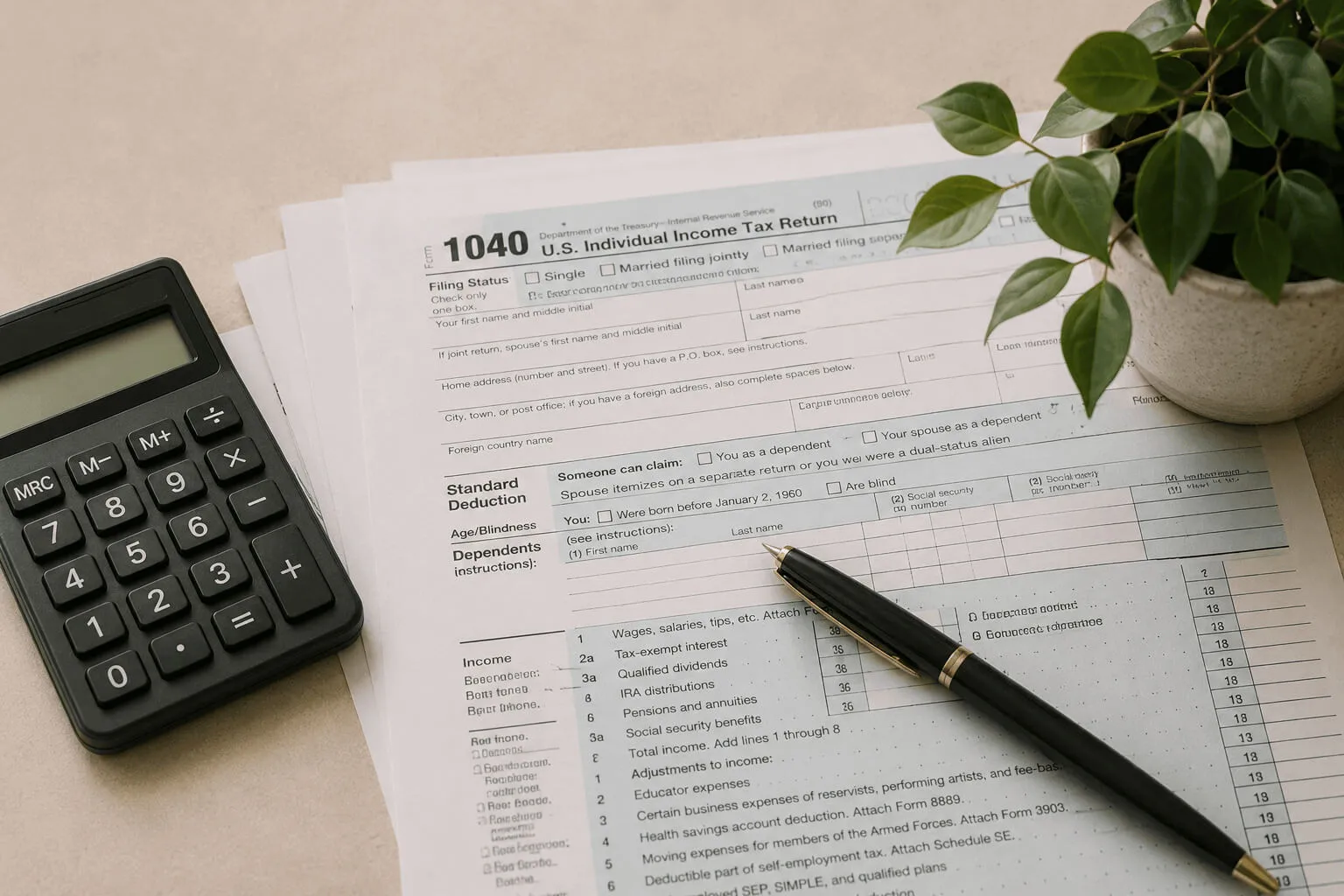
For many businesses, tax planning doesn't begin until filing season arrives. As deadlines approach, financial records need to be organized, documents gathered, and reports reviewed—often under significant time pressure. While this approach may seem manageable, it can create unnecessary stress and limit opportunities to improve your overall tax position.
The reality is that effective tax preparation isn't something that happens once a year. It's the result of consistent financial management throughout the year.
Tax Planning Starts Long Before Filing
Many tax-saving opportunities depend on decisions made months before a return is ever filed. Business purchases, deductible expenses, retirement contributions, and income timing can all influence tax outcomes, but only if they're considered proactively.
Waiting until tax season often means those opportunities have already passed. By the time financial records are finalized, there may be little flexibility left to reduce tax liability or improve financial efficiency.
Ongoing planning gives businesses more options and allows important decisions to be made when they can still have an impact.
The Risks of Last-Minute Preparation
When financial records haven't been maintained consistently, preparing a tax return becomes a race against the clock. Missing receipts, uncategorized expenses, unreconciled accounts, and incomplete documentation all require additional time to resolve.
This rushed process increases the likelihood of mistakes such as incorrect expense classifications, overlooked deductions, or reporting inconsistencies. Even small errors can lead to unnecessary tax costs, filing delays, or future questions from tax authorities.
Accurate records throughout the year make tax preparation faster, simpler, and more reliable.
Organization Reduces Stress
One of the biggest sources of tax-season stress isn't the tax return itself—it's the effort required to reconstruct months of financial activity in a short period of time.
Businesses with organized bookkeeping and up-to-date financial records already have much of the information they need readily available. Instead of scrambling to locate documents or reconcile transactions, they can focus on reviewing their financial position and preparing accurate filings.
Good organization transforms tax preparation from a reactive process into a routine administrative task.
Building a Year-Round Tax Strategy
Treating tax planning as an ongoing process provides benefits well beyond filing deadlines. Regular financial reviews help identify opportunities, improve cash flow planning, and ensure accounting records remain accurate throughout the year.
This proactive approach also supports better business decisions. When financial information is consistently updated, owners gain greater visibility into profitability, expenses, and overall financial performance—not just during tax season, but every month.
Strong bookkeeping creates a foundation for both compliance and long-term financial planning.
A Better Approach to Tax Season
Tax season doesn't have to feel rushed or overwhelming. Businesses that maintain organized records, review their finances regularly, and plan throughout the year are typically better prepared to meet deadlines with confidence.
If your current process feels stressful every year, the issue often isn't tax season itself—it's the systems supporting it. Improving those systems creates more accurate records, reduces unnecessary pressure, and allows tax preparation to become a strategic part of managing your business rather than an annual scramble to catch up.
Insights and Resources
Practical insights to help you better understand and manage your business finances.